

Refunds
Revenue Cycle Transformation
- Capability status
- To be confirmed with PRN
- Transformation phase
- To be confirmed with PRN
- Effort
- To be confirmed with PRN
Current State / What We Learned
Observed today, as captured in the corrected assessment.
This is a manual process in which the team is refunding the credit card for the patient, but refunding the overpayments from each applicable payment line item within that patient ledger.
Desired Future State
The target way of working PRN and Raintree are aiming for.
- The goals would be to simplify the identification, validation, review and issuing or refunds to patients.
- Long term also want to ensure the amounts collected at time of service as close to accurate as possible to help reduce the need for refunds to be issued in scenarios of patient overpayment.
Requirement / Gap
The current workflow leaves desired improvements where there can be several transactions that are reversed to accomplish the refund in full. There is also not an automated stop in the process for a review to occur.
Raintree Recommended Path
- The recommendations here approach the topic from two points of view:
- Retroactive Refunds: to ensure an easy process with the Refunds that need to be issued. With refunds there are a few standard tools that can be employed to aid efficiency of the processing of refunds:
- Find potential refunds - https://kb.raintreeinc.com/help-10-2-500=find-potential-refunds-utility and
- Import issued refunds- to in bulk post those so that these are not an item a user would need to enter. - https://kb.raintreeinc.com/help-10-2-500=import-issued-refunds-screen
- Review and processing using Rev-Edition Follow up Dashboard for visibility into the processing - https://kb.raintreeinc.com/help-10-2-500=work-with-refunds-in-rev-edition
- Proactive: to help ensure that at time of service the amount collected is as close to accurate as possible. This is where tools and options within the Patient Payment Agreement and Counseling Form (PPAC) can be used and templates to aid in their setup defined to model specific common scenarios. For example, setting models for when there is a high deductible plan and payment condition would indicate to only use the required payment while deductible not met, or for patients where insurance coverage may be inconsistent to only use when no insurance coverage.
Dependencies / Considerations
Shama added that there is a way on the ledger to refund the credit card, but its very manual. Today, they run the refund utility about once/month, exports to spreadsheet, then refund follow ups created. Humans have to manually follow up on this -- then they have to review how patients paid via credit card, etc, then they need to refund manually across different credit cards potentially. They want their patient account representatives (PARs) focused in other areas. They are also calling out considering use of Confido to help with incoming calls re this vs PAR.
Outstanding Questions / Decisions
They want a very efficient simple process for refunds. They want the text communication that kicks out saying do you want this refund to this acct. The example that was mentioned specifically would be a message with something along the lines of “historically you paid with a credit card ending in 1234, would you like a refund sent to this card?”and if the patient responds with yes, they want this to happen automatically. PRN says refunds are a huge pain point for them.
Evidence
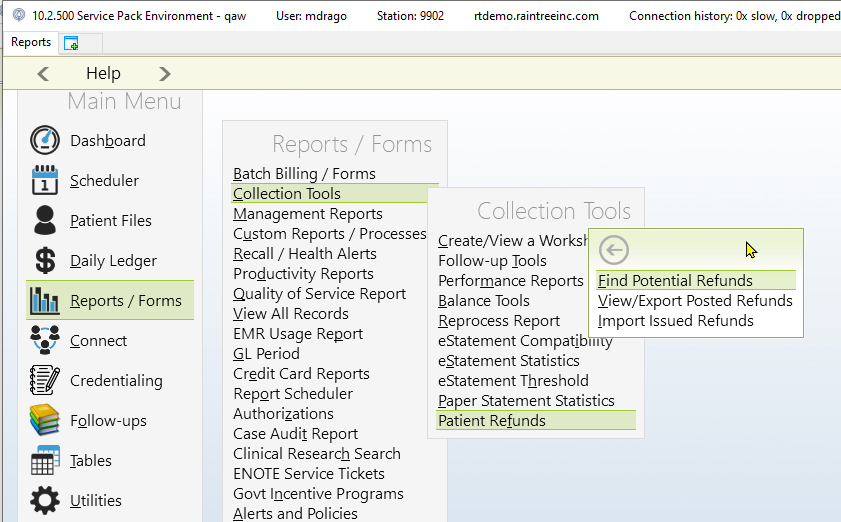
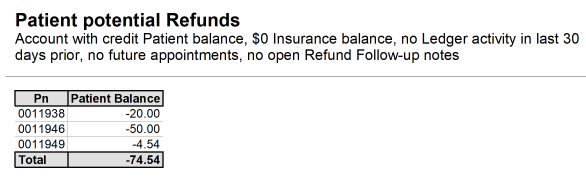
Supporting screenshots from the corrected Detailed Transformation Assessment.
Source
Detailed Transformation Assessment (Corrected)Related opportunities
Related by workstream and subject matter. These are not stated dependencies unless the assessment says so.